

Home  Diabetes  Events  MDU visits  Donate  Silver Star  India  About us  Challenge
 

Anna Soubry MP

 Public Health Minister

Department of Health

"The Silver Star is an outstanding charity that provides diagnosis at a local level. The charity goes to communities that are often hard to reach, such as the Asian community, where we need to do good work to reduce the level of diabetes, both type 1 and type 2.

I look forward to local authorities working with outstanding charities such as Silver Star."

26th of February 2013

House of Commons


The Fundraising Standards Board

Search the web and raise money for charity

Everyclick Free Donations


Issue 36


Diabetes Risk Test

Diabetes Literature


You can find us on

Facebook as SilverStar Appeal

Twitter as SilverStarApeal

and YouTube


Dr Malde Modhwadia

 Chairman of the Trustees

"Silver Star is your charity. Identifying those with diabetes, giving them proper medication actually saves lives.

Please help us to help you!"


Roz Carter

Trustee


Dr Dominie McConnell

Trustee


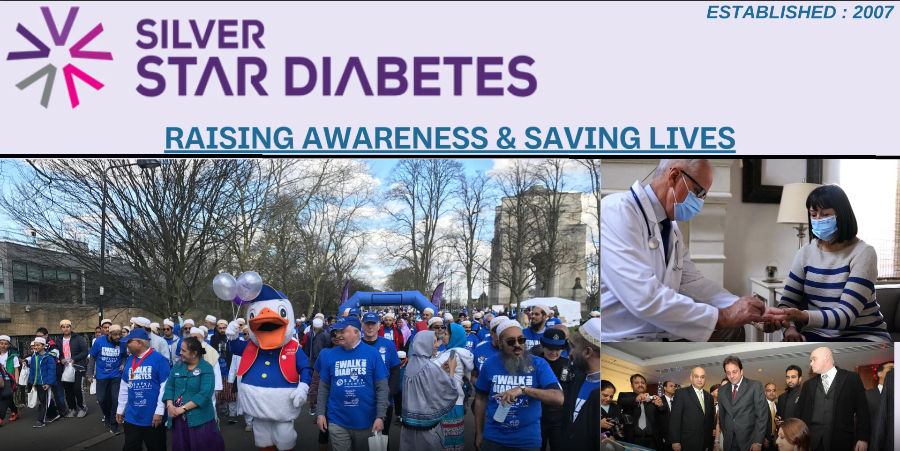
Silver Star is a registered charity campaigning to provide diabetes awareness. The Charity runs Mobile Diabetes Units  which main role is to to carry out important diabetes testing and to promote culturally sensitive healthcare in the major towns and cities of Britain.

There are currently over 3 million people diagnosed with diabetes in the UK and another over 1 million people who have type 2 diabetes but do not yet know it.


PLEASE HELP US TO SAVE LIVES.

Countdown to World Diabetes Day:


The school run is a health time bomb, report warns, at start of Walk to School Week


Today’s generation of schoolchildren are being set on a path towards future illness by parents who insist on driving them to school, according to a new report being released today to mark Walk to School Week.

The health timebomb from children who grow up not walking to school could cost the country billions, claims the Must Try Harder report by the charity Living Streets.

Fears of children being abducted or run over on the way to school, along with time pressures, have resulted in a major shift in attitudes towards walking to school.

And it has gone from being the norm to the exception in the space of a generation, according to a major new report by the Living Streets charity.

Eight out of ten (81 per cent) parents of primary school children walked to school themselves.

Now, despite rising rates of obesity among children, more than a quarter (27 per cent) of parents automatically drive their children to school and more than one in five (21 per cent) have never considered making sure their children walk to school.

Obesity-related health problems such as heart disease, diabetes and cancers will cost Britain £27 billion by 2015.

The simple act of walking to school is not only good for children’s physical health, but helps embed a good attitude to exercise and keeping healthy.

It needs to be a key element of the government strategy to encourage Britons to be more physically active, says Living Streets.

Less than half [49 per cent] of primary school children walk to school despite the majority (75 per cent) living within two miles of school.

One in five primary school children don’t walk to school because their parents state that they don’t have time to walk with them.

The problem is even worse among secondary school children – with just 38 per cent opting to walk to school.

And although children start off wanting to get to school themselves, with 59 per cent of primary school pupils willing to walk up to 20 minutes to school each day, the interest wanes as they get older with just 37 per cent of secondary school pupils prepared to do this.

The government’s performance in encouraging children to walk to school has been “mixed” and it “must try harder”, according to the report. “The previous Government’s school travel strategy was quickly ditched with no replacement,” it says.

The walk to school is not only beneficial for physical and mental health, but helps reduce traffic congestion – with fewer cars doing the ‘school run’ – improve air quality and reduce carbon emissions,” states the report.

And campaigners are fighting to reverse the trend towards children being driven to school – aiming to make sure that more than half of primary school children will be walking to school again by 2017.

Tony Armstrong, chief executive, Living Streets, said: “The overwhelming majority of our grans and granddads walked to school, but over generations we are seeing a steady decline to the point where it seems a fifth of parents wouldn’t even think about ensuring their child walks to school. Meanwhile obesity rates have more than doubled, even since I walked to school just 20-odd years ago.”

He added: “Encouraging the walk to school not only helps to keep children healthy today, but makes for healthier adults in the future. We know that time-pressed parents often see jumping into the car as the easiest way to get children to school on time, but we do so at the risk of storing up health problems for them in the future.”

CASE STUDY

Mother of three Laura Lashmar, from Sheffield, loved walking to school with her mum and would hate for her children to miss out. “Just as my mum walked me to school I’ve done the same with my boys. Walking with your children when they’re younger is a wonderful opportunity to spend some quality time together and hear about their day. It’s also a good way to show them road safety skills, so when they’re older and want to walk to school on their own or with their friends, you can feel comfortable that they’re familiar with routes and how to cross roads. It’s important for children to develop independence and walking to school is a good way to build their confidence.”


http://www.independent.co.uk

Nanotechnology could lead to better quality of life for type 1 diabetes patients

Scientists in America have developed new technology that could help eliminate the need for constant monitoring of blood sugar levels and daily insulin injections for people with type 1 diabetes.

Injectable nanoparticles developed at the Massachusetts Institute of Technology (MIT) are designed to replace the function of islet cells in the pancreas. Pancreatic islets are clusters of cells that include insulin -producing beta cells, but in patients with type 1 diabetes they are destroyed by an autoimmune attack.

http://www.diabetes.co.uk

Read more


Diabetic schoolgirl is told she cannot go on trip to Spain because teachers are not allowed to help with her condition

A diabetic schoolgirl's trip to Spain has been ruined after she was told days before the journey that she can't go abroad with her classmates - because her school aren't insured to help with her condition.

Lucy Harrison, 12, was due to join her classmates from Forge Valley Community School in Sheffield on a five-day break to Granada in southern Spain next week, in a trip that her parents had paid for last year.

But this week, just nine days before the holiday, Lucy's parents say they were told by the school that she could not go after all because the school did not have the right insurance and staff were not allowed to administer medication if the girl fell ill.

http://www.dailymail.co.uk

Read more


Cannabis linked to prevention of diabetes

Smoking cannabis may prevent the development of diabetes, one of the most rapidly rising chronic disorders in the world.

If the link is proved, it could lead to the development of treatments based on the active ingredient of cannabis, tetrahydrocannabinol (THC), without its intoxicating effects.

Researchers have found that regular users of the drug had lower levels of the hormone insulin after fasting – a signal that they are protected against diabetes. They also had reduced insulin resistance. Cannabis is widely smoked in the United States with over 17 million current users of whom more than four million smoke it on a daily basis. In the UK latest figures show 2.3 million people used cannabis in the last year, but the numbers have declined in the last decade.

http://www.independent.co.uk

Read more


Dieters at slimming groups lose FIVE TIMES more weight than those who go it alone

Slimmers who embark on a DIY diet lose a lot less weight than those who join a slimming group, according to a new report. The latest American study reveals that dieters who join Weight Watchers lose, on average, five times more weight than those who go it alone.

Researchers at the Baylor College of Medicine in Houston, Texas, compared weight loss among people following the Weight Watchers approach with those following a self-help approach. The findings showed that after both three and six months, people who followed the Weight Watchers approach achieved significantly greater weight loss than people who tried to lose weight on their own.

http://www.dailymail.co.uk

Read more


Type 2 diabetes and the diet that cured me

Why me? At 59 I was 10st 7lb, 5ft 7in, and had never been overweight. I ran and played cricket regularly and didn't drink alcohol excessively. Yet at a routine check-up I was told that I had type 2 diabetes. In 10 years I could be dependent on insulin, it could affect my sight, feet, ears, heart and I had a 36% greater chance of dying early.

In type 1 diabetes, the body produces none of the insulin that regulates our blood sugar levels. Very high glucose levels can damage the body's organs. Patients with type 2 diabetes, however, do produce insulin - just not enough to keep their glucose levels normal. Because I was fit and not overweight (obesity is a major risk factor in type 2 diabetes; however, a number of non-obese people, particularly members of south Asian communities, are also prone to it), my doctor told me I could control my condition with diet alone.

http://www.guardian.co.uk

Read more


Why living near a busy road could be dangerous for your child's health: Traffic pollution linked to diabetes risk in children

Exposure to traffic fumes can set children on the road to diabetes, a study has shown. Living near a busy road and increased levels of pollution from cars and lorries significantly raised the risk of insulin resistance in ten-year-olds, scientists found.

The condition, which reduces the body’s ability to control blood sugar with the hormone insulin, is a recognised precursor of Type 2 diabetes.

Researchers in Germany looked at the effect of two kinds of traffic pollution on 397 children. Blood tests were taken and measurements made of pollution emissions in areas where the children lived.

http://www.dailymail.co.uk

Read more


Whole population screening for diabetes being examined

Health officials in the UK are considering whether the entire population should undergo screening for diabetes.

The UK National Screening Committee (NSC), which advises ministers on which diseases the NHS should screen for - either among the whole population or in specific at-risk groups, rejected screening for diabetes when it was last reviewed in July 2006.

After considering whether the benefits of screening outweigh the harms, the committee said that whole population screening for undiagnosed diabetes and impaired glucose tolerance did not meet all the criteria to merit a new programme.

http://www.diabetes.co.uk

Read more


One small step... Inactivity is world's fourth-biggest killer

A quarter of British adults now walk for less than nine minutes a day – including time spent getting to the car, work and the shops. The figures, from a YouGov poll for the Ramblers, published exclusively in The Independent on Sunday, reveal that a quarter of Britons walk on average for less than an hour every week.

The survey of more than 2,000 over-18s shows that while nine out of 10 Britons agree that walking is a good form of exercise which can keep you healthy, most are not doing so nearly enough.

Almost half of people surveyed walk for two hours or less a week – meaning they are not doing enough walking to stay healthy. Chief medical officers recommend that adults do 150 minutes of moderate physical activity, like walking, per week, but 43 per cent of people surveyed walk for 120 minutes or less.

http://www.independent.co.uk

Read more


In Animal Models, Injectable Nano-Network Controls Blood Sugar In Diabetics For More Than A Week

In a promising development for diabetes treatment, researchers have developed a network of nanoscale particles that can be injected into the body and release insulin when blood-sugar levels rise, maintaining normal blood sugar levels for more than a week in animal-based laboratory tests. The work was done by researchers at North Carolina State University, the University of North Carolina at Chapel Hill, the Massachusetts Institute of Technology and Children's Hospital Boston.

"We've created a 'smart' system that is injected into the body and responds to changes in blood sugar by releasing insulin, effectively controlling blood-sugar levels," says Dr. Zhen Gu, lead author of a paper describing the work and an assistant professor in the joint biomedical engineering program at NC State and UNC Chapel Hill. "We've tested the technology in mice, and one injection was able to maintain blood sugar levels in the normal range for up to 10 days."

http://www.medicalnewstoday.com

Read more


Animal infection may trigger diabetes

The new study, published in PLoS ONE, found that not only did diabetes cases vary in frequency over a six year cycle, they also peaked in certain seasons. The scientists suggest that this pattern of both short and long term cycles might be caused by an infection carried by animals, which triggers diabetes in those already genetically predisposed.

'What we knew from previous studies is that there are seasonal peaks of type 1 diabetes, which ties in with the idea of an infectious agent. Although, it's difficult to be sure what that agent could be,' says Dr Colin Muirhead, of Newcastle University, who led the study.

http://medicalxpress.com

Read more


£1.90 diabetic miracle: Cheap drug Lyxumia could improve lives of millions of patients

A new drug launched today could improve the lives of millions of diabetes sufferers and save the NHS £70million over the next five years.

The £1.90 once-a-day injection controls blood sugar levels and cuts the risk of heart attacks, amputations and kidney failure.

More than three million Brits have diabetes and most have Type 2 – which is related to lifestyle and weight. It costs the NHS £10billion a year and is set to rise as the obesity crisis worsens.

http://www.mirror.co.uk

Read more


Junk foods avoid ad ban by targeting children online

Advertising regulators have been accused of failing to protect children from aggressive online marketing by food companies using internet games and advertising.

The Children's Food Campaign has called on ministers to introduce statutory regulation to close loopholes allowing ads that are banned from children's television to be shown on manufacturers' own child-friendly websites.

http://www.guardian.co.uk

Read more


End of the diabetes jab? Scientists find insulin-boosting hormone that could do away with daily injections

Millions of diabetics could be freed from having to inject themselves several times a day by a once-a-year drug.

Scientists have discovered a hormone which can boost the number of insulin-making cells by up to 30-fold.

This would ‘dramatically’ improve treatment for type 2 diabetes. This form of the condition, often triggered by weight gain, is becoming more common in the obesity crisis.

http://www.dailymail.co.uk

Read more


Diabetes warning over soft drinks

Drinking one or more cans of sugary soft drinks a day is linked to an increased risk of diabetes in later life, a study suggests.

A can a day raises the relative risk of diabetes by about a fifth, compared with one can a month or under, say European scientists.

The report in the journal Diabetologia mirrors previous US findings.

A diabetes charity recommends limiting sugary foods and drinks as they are calorific and can cause weight gain.

http://www.bbc.co.uk

Read more


The high-tech bubbles that can blow away your illness

Doctors have a new weapon to add to their disease-fighting arsenal — bubbles. Tiny bubbles, smaller than the width of a human hair, are being used to diagnose, treat and prevent illness.

Stroke, cancers, furred arteries and respiratory diseases are among conditions being tackled, and many more potential uses are in the pipeline, including for Alzheimer’s, Parkinson’s and depression.

Although doctors have used so-called microbubbles for some time to produce clearer images in body scans, only now is their full potential being realised.

http://www.dailymail.co.uk

Read more


'NHS changes could lead to hospital being sponsored by junk food firms'

Radical NHS changes could lead to hospitals being sponsored by companies like Burger King or Coca Cola, Labour claimed last night.

MP Grahame Morris furiously rejected the idea raised by a health minister as “outrageous” and called for the Coalition to spell out its plans clearly.

The MP for Easington said: “What happens if fast-food manufacturers and fizzy drink companies try to associate themselves with parts of the NHS to try promote their products and give themselves credibility?”

http://www.mirror.co.uk

Read more


The real reason you’ve put on weight? 8 health problems which could stop you shedding the pounds

Do you seem to keep piling on the pounds no matter how many diets you try? If so, the problem may have more to do with your general health than with your food. Here are some simple solutions that could help you beat the bulge.

YOU NEED MORE SLEEP

“If you aren’t sleeping, then the body’s hormone axis won’t be working properly,” says Dr Dan Dhunna, Harley Street GP and weight-loss expert.

“This will affect metabolism and eventually lead to weight gain. And bear in mind that if you aren’t sleeping then your body won’t be digesting food normally either.”

In addition, people with insomnia will often start snacking through the night or drinking tea and coffee, which only makes the problem worse.

http://www.mirror.co.uk

Read more


Hank’s Healthy Habits: 13 Steps to a Joyful, Happy Life

He is 89 years old and the picture of health. Yet looking at the robust, healthy, laughing gentleman sitting across the desk from me on this Saturday morning, one would never guess his age. Hank has been married 50 years, is active in his church, and hosts a prayer breakfast most Saturday mornings.

But this very active senior also has diabetes.

His diabetes began some 34 years ago. He now has a health team he consults with regularly, including an endocrinologist. At present, he takes two oral medications and is on a strict diet. He hasn't always been so careful with his food plan, he says, but now realizes the value of strict adherence to drug and dietary guides, especially because of nerve damage to his feet. His last A1c was 8, and his doctors would like to get it down to 7.

http://diabeteshealth.com

Read more


Britain's longest-serving nurse celebrates 60 YEARS in the job she loves

A nurse of 78 this weekend celebrates 60 years of walking the wards – and is adamant she has no plans to retire. Jackie Reid was 18 when she started work in 1953 - when the NHS was just five years old - and is believed to be the oldest nurse in Britain. The diabetes specialist had to retire at 65 but returned to as an agency nurse within a fortnight and still does up to four seven-and-a-half hour shifts each week.

Widow Mrs Reid said: “Nursing is hard if you do it correctly but I love my job. Working for the NHS has been my life. I have no other hobbies because I have worked all my life. Nursing has changed over the years particularly the new technology, which is a good thing. The actual nursing has changed too - but not always for the best. It was much longer hours when I started and the ward sisters were really tough. They expected an awful lot from you and you had to give it. But back then you could use your own initiative and it was more hands on. Now there are many more managers and you only have a certain amount of time for each patient. There’s also lots of paperwork and everything has to be computerised. But that’s life, it changes."

http://www.mirror.co.uk

Read more


House of Commons Speaker opens doors to new diabetes centre

The second UK office of diabetes charity Silver Star was officially opened by MP John Bercow.

Silver Star was founded in 2007 by Labour MP Keith Vaz, who himself suffers from diabetes, provides free diabetes tests to members of the public, both in its offices and its mobile diabetes units.

The charity’s new Edgware office is the first to open in the capital and will help raise awareness of both type 1 and type 2 diabetes among the local community, as well as carrying out tests and providing lifestyle and dietary advice .

Mr Bercow, who was born in Edgware, cut the ribbon of the Silver Star office before taking a free diabetes tests himself.

http://www.diabetes.co.uk

Read more


Safety alert for 20,000 diabetes sufferers

More than 20,000 diabetes sufferers have been warned that they may have been issued with faulty medical devices which will not alert them if blood sugar levels are dangerously high.

Health watchdogs have issued a warning to NHS patients who were given blood glucose meters which have now been recalled because of faulty software.

The product, which is manufactured by Lifescan, has been found to give falsely low readings and to switch itself off, when it should have warned patients that blood sugar levels were alarmingly high, putting them at risk of entering a diabetic coma.

http://www.telegraph.co.uk

Read more


The Cuban diet: eat less, exercise more - and preventable deaths are halved

A country whose citizens collectively succeeded in losing weight and increasing their level of physical activity saw their health improve and death rates plunge.

In a unique natural experiment, researchers have observed how a nation that lost an average of 5kg per head over five years contributed to a halving of the death rate from diabetes and a one third reduction in deaths from heart disease.

The natural experiment occurred in Cuba which was plunged into crisis in the early 1990s following the collapse of the Soviet Union. Its experience demonstrates what could be achieved elsewhere if the same changes could be brought about, without an economic crisis.

http://www.independent.co.uk

Read more


Eating one pack a day is like drinking FIVE LITRES of cooking oil: The frightening truth about crisps

Should packets of crisps carry a health warning?

You might scoff at the suggestion, but it comes as evidence emerges to show the snack is bad news — fuelling not just the obesity and heart disease epidemics, but linked to developmental problems in unborn babies, hyperactivity in children and potentially cancer in adults.

The risks would not be so critical were it not for the alarming extent to which Britain’s crisp-munching habit has grown.

Last week a YouGov poll found that a third of British children eat crisps every day. The other two-thirds of UK children eat them several times a week.

http://www.dailymail.co.uk

Read more


Advancing Tissue Engineering By Building Better Blood Vessels

One of the major obstacles to growing new organs - replacement hearts, lungs and kidneys - is the difficulty researchers face in building blood vessels that keep the tissues alive, but new findings from the University of Michigan could help overcome this roadblock.

"It's not just enough to make a piece of tissue that functions like your desired target," said Andrew Putnam, U-M associate professor of biomedical engineering. "If you don't nourish it with blood by vascularizing it, it's only going to be as big as the head of a pen.

"But we need a heart that's this big," he added, holding up his fist.

http://www.medicalnewstoday.com

Read more


Walking Can Lower Risk of Heart-Related Conditions as Much as Running

Walking briskly can lower your risk of high blood pressure, high cholesterol and diabetes as much as running can, according to surprising findings reported in the American Heart Association journal Arteriosclerosis, Thrombosis and Vascular Biology.

Researchers analyzed 33,060 runners in the National Runners' Health Study and 15,045 walkers in the National Walkers' Health Study. They found that the same energy used for moderate intensity walking and vigorous intensity running resulted in similar reductions in risk for high blood pressure, high cholesterol, diabetes, and possibly coronary heart disease over the study's six years.

"Walking and running provide an ideal test of the health benefits of moderate-intensity walking and vigorous-intensity running because they involve the same muscle groups and the same activities performed at different intensities," said Paul T. Williams, Ph.D., the study's principal author and staff scientist at Lawrence Berkeley National Laboratory, Life Science Division in Berkeley, Calif.

http://www.sciencedaily.com

Read more


Will Cell Therapy Become a 'Third Pillar' of Medicine?

Treating patients with cells may one day become as common as it is now to treat the sick with drugs made from engineered proteins, antibodies or smaller chemicals, according to UC San Francisco researchers. They outlined their vision of cell-based therapeutics as a "third pillar of medicine" in an article published online April 3 in Science Translational Medicine.

"Today, biomedical science sits on the cusp of a revolution: the use of human and microbial cells as therapeutic entities," said Wendell Lim, PhD, a UCSF professor and director of the UCSF Center for Systems and Synthetic Biology, and one of the article's co-authors.

Cell therapies have the potential to address critical, unmet needs in the treatment of some of the deadliest diseases, including diabetes, cancer and inflammatory bowel diseases, the scientists said.

http://www.sciencedaily.com

Read more


Just a fifth of people with diabetes have condition under control

Most people with diabetes in England and Wales are failing to control their condition properly, new research has revealed.

Figures released by Diabetes UK show that only one in five people with either type 1 or type 2 diabetes meets the recommended targets for blood sugar, blood pressure and cholesterol levels.

For people with type 1 diabetes, the situation is even worse, with just 11.4 per cent of people with this lifelong condition meeting the targets for controlling their diabetes and preventing the development of related complications, such as heart disease and stroke.

http://www.diabetes.co.uk

Read more


Novo Nordisk Creates Insulin Pill

Novo Nordisk, in conjunction with Danish manufacturer Merrion Pharmaceuticals Plc., have tested oral insulin and successfully completed early stages trials. Currently, insulin is only available by injection for patients who do not produce enough insulin or are resistant to insulin.

The insulin pill, known as NN1954, uses Glipet technology that allows them to make tablets/capsules of drugs that could only otherwise be given by injection. "GIPET uses specifically designed oral formulations of patented absorption enhancers which activate micelle formation, facilitating transport of drug and substantially increasing absorption, with good reproducibility and a strong safety profile."

http://www.diabetesincontrol.com

Read more


Diabetes: Computer Based Interventions Provide Limited Support

Self-management interventions delivered by computer and mobile phone currently provide limited benefits for people with diabetes, according to a systematic review published in The Cochrane Library. Although computer and mobile phone-based self-management programmes had small positive effects on blood sugar levels, these effects seemed to be short-lived.

347 million adults worldwide live with diabetes and are at higher risk of heart disease and serious complications such as heart attacks and stroke because of their condition. There is some evidence to suggest that providing chronically ill patients with the skills to manage their own disease can help them to reduce their risk of further complications. Computers and smartphones offer the potential to improve self-care for diabetes through patient- tailored support and education, and to reduce the costs to health care systems. However, it is not clear whether these programmes actually work, what the important components are and if there are any important adverse effects.

http://www.medicalnewstoday.com

Read more


Survey reveals worrying unawareness of serious hypoglycemia

A new study has found that more than one in three people with type 2 diabetes fail to report episodes of hypoglycemia to their GP as they are unaware of the seriousness of the condition.

A survey of over 1,000 type 2 diabetes patients prescribed sulphonylurea medicine revealed that 38% were not aware of the adverse effects associated with this group of diabetes drugs, such as hypoglycemia (low blood sugar), dizziness, increased appetite and weight gain.

One in two had suffered a hypoglycemic attack (or hypo), yet only 38% had reported these incidents to their GP .

http://www.diabetes.co.uk

Read more


New health service to cut waiting times for diabetes patients

People with type 2 diabetes in South Tyneside may soon benefit from faster access to healthcare thanks to the launch of a new service.

Developed by South Tyneside NHS Foundation Trust, the service will involve the running of five new clinics at Cleadon Park Primary Care Centre in South Shields, which will ensure diabetic patients with more urgent, specialised needs are seen swiftly to by the most appropriate healthcare professional .

It is hoped the clinics will help free up resources at GP practices, and thus slash waiting times for routine patients with type 2 diabetes.

http://www.diabetes.co.uk

Read more


Stem Cells Treating Diabetic Wounds

Diabetic patients have an impaired ability to heal wounds, so there is a critical need to develop new treatments to improve healing....

This is particularly the case with foot wounds, as foot ulceration will affect up to 25 per cent of people suffering from diabetes during their lives. The ulceration can result in amputation.

The type of stem cells, called mesenchymal stem cell (MSC), was used with biomedical material made from collagen and showed to increase healing in diabetic wounds. MSCs can be isolated from humans without difficulty and grow very fast in the laboratory. The stem cells can release factors that increase new blood vessel development. This can increase the amount of blood flow to improve healing as well.

http://www.diabetesincontrol.com

Read more


Implantable device may lead to better blood glucose monitoring

A new implantable device for testing and monitoring blood could improve the way people with diabetes monitor their condition.

A team of Swiss scientists have developed a tiny, wireless blood-testing device that sits beneath the skin and provides instant results.

The prototype device is just 14mm long and 2mm wide and is designed to be inserted into the interstitial tissue just beneath the skin of the abdomen, legs or arms, where it could remain for months before needing to be removed or replaced.

http://www.diabetes.co.uk

Read more


Sugary Beverage Consumption Linked To 180,000 Deaths Per Year

New research reveals that drinking sugary soft drinks is responsible for close to 180,000 deaths worldwide every year. The finding comes from research presented at the American Heart Association's Epidemiology and Prevention/Nutrition, Physical Activity and Metabolism 2013 Scientific Sessions.

Consuming drinks with lots of sugar is associated with serious health risks as it can drastically increase a person's body weight, which can lead to diabetes, cancer and cardiovascular diseases. Even the company Coca-Cola, the most powerful and well known soft drinks company in the world, addressed the link between sugary drink consumption and weight gain.

The researchers analyzed data published in the 2010 Global Burden of Diabetes Study and found an association between the intake of sugary drinks and 180,000 deaths, of which 133,000 were diabetes related, 44,000 were due to cardiovascular diseases and 6,000 were due to cancer. Most of these deaths occurred in low and middle-income countries.

http://www.medicalnewstoday.com

Read more


Students: just say no to sugar

When people talk about substance abuse at university, they generally think of recreational drugs. But even if you think you're keeping your time as a student relatively clean, research suggests you will probably fall victim to one highly addictive drug innocently consumed in large quantities by millions. That drug is sugar.

We don't think of sugar as a drug: it's found in most of the foods and drinks we encounter every day. And at university, where stress levels can be high and fast food is cheap, it's all too easy to reach out for the comfort blanket it provides.

Many students' diets consist of pizzas, take-aways and chocolate bars. Whether you spend your time raving or revising, there's always something better to do than think about eating healthily. And with university halls often providing only the most basic cooking facilities, a well-balanced diet simply doesn't feature in most students' lifestyles.

http://www.guardian.co.uk

Read more


Healthy Habits for Healthy Aging: More Steps You Can Take

Would you describe yourself as a “successful ager”? Most of us probably don’t think of getting older in those terms, but it’s not a bad approach. We all want to be able to enjoy health and vitality in our later years. Last week, I shared the results of a study of healthy British men and women. The study identified four habits that likely contributed to these men and women aging without issues like chronic disease, disability, and loss of mobility or memory.

I addressed two of those “healthy habits” last week: not smoking and having a moderate alcohol intake. Let’s look at the other two habits this week.

http://www.diabetesselfmanagement.com

Read more


White men in poorer areas at highest risk of diabetes-related amputation

White men living in poorer areas are the group with the highest risk of diabetes-related amputation, according to new research presented at the Diabetes UK Professional Conference 2013.

The study, carried out by researchers across the UK, looked at data from 1.8 million people with diabetes in the National Diabetes Audit and found that being male, living in poorer areas, and being white were all associated with a higher risk of lower limb amputation.

There are 6,000 diabetes-related amputations in England every year, which is why it is vital that everyone with diabetes, whatever their background, looks after their feet and manages their condition well. But the latest findings suggest it is especially important to get across the message to white men living in poorer areas that they need to:
- have a foot check at least once a year;
- be told of their risk of foot problems;
- be aware they need to visit a healthcare professional immediately if there are any problems with their feet.

http://www.diabetes.org.uk

Read more


Mortality risk higher for young adults with type 1 diabetes

A lack of good quality healthcare for young adults with type 1 diabetes means they face a much higher risk of death than their peers.

Diabetes UK has warned that young women and men with type 1 diabetes are nine times more likely and four times more likely to die, respectively, than their peers, and this is at least partly due to the fact that many of them have not received the care the need to manage their diabetes and boost their chances of living a long and healthy life .

The charity's warning is backed by latest healthcare figures which show that a worrying 85% of children with type 1 diabetes in the UK have poor blood sugar control, putting them at considerably greater risk of developing serious complications later in life.

http://www.diabetes.co.uk

Read more


Type 1 diabetes testing may be cheaper, faster

Work by researchers at The University of Western Australia could revolutionise testing for Type 1 diabetes around the world.

The research, led by Professor Grant Morahan of UWA's Centre for Medical Research, has been published in the top journal in the field, Diabetes. Lead author Research Assistant Professor Cao Nguyen, said the new method would make testing much cheaper and quicker to determine what genetic risk factors have for Type 1 diabetes. In this disease, the person's own immune system destroys the cells that make insulin.

The strongest genetic risk factors for Type 1 diabetes are the HLA genes known as HLA-DR3 and HLA-DR4. "Currently a blood sample is collected and sent to specialist laboratories where it can cost $300 per sample to test HLA types by the conventional method," Research Assistant Professor Nguyen said. "With this new method, it will cost less than $50 to find a person's HLA risk type.

http://www.diabetes.co.uk

Read more


Women with gestational diabetes at much greater risk of type 2 diabetes

New research suggests that women who develop gestational diabetes during pregnancy are significantly more likely to be diagnosed with type 2 diabetes in the future.

The study, led by Soo Heon Kwak of Seoul National University Hospital, South Korea, followed 843 women in Seoul who were diagnosed with gestational diabetes between 1996 and 2003, making it one of the largest of its kind to study gestational diabetes in Asian women.

The researchers reported that 105 women (around 12.5%) developed type 2 diabetes within two months of giving birth, while others progressed to the disease more slowly, with diabetes diagnosis made a year or more after the birth of their child. Over the next decade, the number of women diagnosed with type 2 diabetes continued to grow at a rate of 6.8 per cent a year.

http://www.diabetes.co.uk

Read more


Too much salt may trigger autoimmune diseases

Increased salt consumption may be a key culprit behind rising rates of autoimmune diseases such as multiple sclerosis, researchers reported on Wednesday in a trio of papers looking at the role of a specific class of cells linked with inflammation.

Reporting in the journal Nature, the researchers said high-salt diets increased levels of a type of immune cell linked with autoimmune disease. And mice genetically engineered to develop multiple sclerosis (MS) got much worse when they ate what amounted to a high-salt Western diet compared with mice who had more moderate salt intake.

The findings suggest that salt may play a previously unknown role in triggering autoimmune diseases such as MS or type 1 diabetes in individuals who are already genetically predisposed.

http://uk.reuters.com

Read more


Older diabetics are suffering 'needless' amputations and blindness because they get the worst care

Older people with diabetes are suffering needless life-changing complications, including amputations and blindness, because of discrimination in favour of younger patients, a new report has warned. Half of the diabetics in the UK are over the age of 60, yet they are being denied the proper care and aggressive treatment which is routinely given to younger patients, experts say.

This discrimination then leads to complications such as blindness and kidney failure - costing the NHS £9.8 billion a year - according to the Institute of Diabetes for Older People (IDOP) report launched today.

Older diabetics are suffering needless life-changing complications, including amputations and blindness, because they are not getting the best treatment, experts warn. Yet within the next seven years, 60 per cent of diabetics will be over 60 and if nothing is done, more beds will be taken by elderly patients with the associated rising costs, the IDOP report says.

http://www.dailymail.co.uk

Read more


Walnuts linked to reduced diabetes risk in women

A new study has revealed that women who eat two or more servings of walnuts a week are less likely to develop type 2 diabetes.

Walnuts have higher antioxidant levels than any other nut and are rich in polyunsaturated fatty acids, which in various studies have been associated with a reduced risk of type 2 diabetes.

To investigate the association between walnut intake and incident type 2 diabetes, researchers at the Harvard School of Public Health examined two large, 10-year cohort studies involving nearly 140,000 healthy women aged between 35 and 77 years. None of the women had diabetes, cardiovascular disease, or cancer at the outset.

http://www.diabetes.co.uk

Read more


Sugar is behind global explosion in type 2 diabetes, study finds

Researchers say link between consumption of sugar and diabetes is independent from obesity

Sugar is behind the global explosion in type 2 diabetes, say researchers who claim it plays a uniquely damaging role in causing a disease that experts fear could overwhelm the NHS. Obesity is usually cited as the main driver of diabetes. But a new study by US medical researchers identifies sugar as a predictor of diabetes separately from obesity.

The findings, published in the scientific journal Plos One, do not claim that sugar causes obesity. But they are significant because they pinpoint it as being closely associated with diabetes, a disease that at least 2.7 million Britons already have.

http://www.guardian.co.uk

Read more


Immune modulating drug teplizumab reduces beta cell death in type 1 diabetes

A study carried by Yale University shows that a new immune system modulating treatment can reduce the rate at which beta cells are destroyed by the immune system.

In type 1 diabetes, one or more events cause the immune system to incorrectly target and kill the beta cells in the pancreas as invading pathogens. It is the beta cells which produce insulin.

http://www.diabetes.co.uk

Read more


NHS failing over diabetes linked foot amputations

Every year around 6,000 people in England have to undergo a diabetes-related foot amputation because their foot ulcer was not treated quickly enough, claims a new report.

However, as many as 80% of these amputations could be prevented if people received treatment quickly enough, said the Diabetes UK report Fast Track For A Foot Attack: Reducing Amputations.

Around the country, there are too many places that do not have systems in place to ensure foot ulcers and foot infections in people with diabetes are treated within 24 hours, warned the report’s authors.

http://www.onmedica.com

Read more


Diabetes raises infertility risk for men

Men living with diabetes are more likely to be infertile than healthy, non-diabetic individuals, according to preliminary findings from scientists in India.

The findings show that diabetes more than doubles the risk of DNA damage in sperms, which can significantly reduce sperm count and cause infertility .

Dr Firuza Parikh, of Jaslok Hospital in Mumbai, and colleagues conducted various laboratory tests to examine the sperm count, motility (ability of the sperm to move towards the egg) and morphology (sperm structure) in 60 people with newly diagnosed diabetes and 78 healthy patients, aged between 27 and 45 years.

http://www.diabetes.co.uk

Read more


Scientists identify new natural remedies for type 2 diabetes

Scientists in London claim they have discovered new plant-derived medicines that could be used to treat type 2 diabetes and obesity .

The researchers at Greenwich University's School of Science, led by Dr Solomon Habtemariam, say that the Cassia auriculata and Cassia alata plants may contain the key combination of active ingredients needed to control blood glucose in people with type 2 diabetes.

Dr Habtemariam, who has spent the last 25 years working to discover medicines from natural sources, said the plants are native to south-east Asia where they are already used for treating conditions like diabetes.

http://www.diabetes.co.uk

Read more


Obesity may cause low vitamin D levels

A first-of-its-kind study by researchers at the Keck School of Medicine of the University of Southern California (USC) indicates that healthy, obese, reproductive-age women who use long-acting reversible contraception (LARC) containing the hormone progestin have a slightly increased risk for developing type 2 diabetes when compared to those who use non-hormonal contraception.

The research concludes that progestin-releasing LARC appears to be safe for use by such women but needs further investigation. Nicole M. Bender, assistant professor of clinical obstetrics and gynecology at the Keck School, was the principal investigator for the study "Effects of progestin-only long-acting contraception on metabolic markers in obese women," which appeared online in the journal Contraception on Jan. 2, 2013.

http://www.nhs.uk

Read more


Obese Women Taking Certain Contraceptive May Be At Increased Risk For Type 2 Diabetes

A first-of-its-kind study by researchers at the Keck School of Medicine of the University of Southern California (USC) indicates that healthy, obese, reproductive-age women who use long-acting reversible contraception (LARC) containing the hormone progestin have a slightly increased risk for developing type 2 diabetes when compared to those who use non-hormonal contraception.

The research concludes that progestin-releasing LARC appears to be safe for use by such women but needs further investigation. Nicole M. Bender, assistant professor of clinical obstetrics and gynecology at the Keck School, was the principal investigator for the study "Effects of progestin-only long-acting contraception on metabolic markers in obese women," which appeared online in the journal Contraception on Jan. 2, 2013.

http://www.medicalnewstoday.com

Read more


Men with permanent stress more likely to develop type 2 diabetes

Men who reported permanent stress have a significantly higher risk of developing type 2 diabetes than men who reported no stress. This is the finding of a 35-year prospective follow-up study of 7,500 men in Gothenburg, by the University of Gothenburg, Sweden.

Since the 1970s, a large population based cohort study has been undertaken at the Sahlgrenska Academy, University of Gothenburg to monitor the health of men born in Gothenburg between 1915 and 1925. Using this unique material, researchers are now able to show that permanent stress significantly increases the risk of type 2 diabetes.

http://www.news-medical.net

Read more


Test strip supply linked to better diabetes care

Frequent blood sugar testing was strongly associated with better diabetes control in a large new study that concludes public and private insurers should not be limiting test strip supplies.

Particularly for people with type 1 diabetes, who must test their own blood sugar throughout each day and inject insulin to regulate sugar levels, a cap on the number of test strips they're allowed to use may seriously affect their health, researchers say.

"On the surface it seems crazy to limit tests for people who need them," Dr. Robert Rushakoff, a diabetes expert at the University of California, San Francisco, told Reuters Health. Roughly one million Americans have type 1 diabetes. Usually diagnosed in childhood or adolescence, it is a lifelong condition caused by the body's failure to produce insulin, a hormone that lets cells use and store glucose.

http://uk.reuters.com

Read more


Mediterranean diet may be best for diabetes

Diets lean on meat and rich in healthy fats like olive oil were most effective at promoting weight loss and lowering blood sugar among people with diabetes in a review of evidence from the last 10 years. Benefits were also seen with diets low in carbohydrates, high in protein or low in simple sugars.

"If you look at different types of diets, these four can improve various aspects of diabetes control," lead author Dr. Olubukola Ajala, a diabetes specialist at Western Sussex Hospitals in the UK, told Reuters Health. More than 24 million Americans have type 2 diabetes. People with the disease cannot store glucose in their cells effectively, and their blood sugar levels can go dangerously high. Lifestyle changes like weight loss and cutting calorie intake can improve blood sugar control and reduce the risk of complications from the disease, but it has not been clear which diet plans work best.

http://uk.reuters.com

Read more


Study finds obesity can 'lead to lack of vitamin D'

Obesity can lower vitamin D levels in the body, a study suggests. The report, in the journal PLOS Medicine, analysed genetic data from 21 studies - a total of 42,000 people.

It found every 10% rise in body mass index (BMI) - used as an indicator of body fat - led to a 4% drop of available vitamin D in the body. As vitamin D is stored in fatty tissue, the authors suggest the larger storage capacity in obese people may prevent it from circulating in the bloodstream.

http://www.bbc.co.uk

Read more


Type 2 diabetes: Insulin greater risk, finds Cardiff study

Patients with type 2 diabetes treated with insulin could be exposed to a greater risk of complications, a Cardiff University study has found.

Academics examined the risk for patients compared with other treatments lowering blood glucose levels. Patients with type 2 diabetes are typically older people who are overweight. But the study's professor stressed that people should not stop taking insulin, but speak to their GP if concerned.

http://www.bbc.co.uk

Read more


Insulin-requiring diabetes up in young children: study

The number of cases of insulin-requiring type 1 diabetes rose sharply in children under the age of Philadelphia over a two decade span, paralleling increases seen across the United States and in Europe, according to a U.S. study.

Researchers whose work appeared in the journal Diabetes Care found that the number of Philadelphia children under 5 diagnosed with type 1 diabetes increased 70 percent in 2005 from 1985, when a registry of such patients was begun. The number of diagnosed cases among all children up to age 14 rose by 29 percent.

http://uk.reuters.com

Read more


Diabetes could be caused by heart disease pills

A nutritional supplement called myo-inositol may help protect women at risk for gestational diabetes, according to a small pilot study.

Previous studies have shown that inositol supplements may help restore fertility in polycystic ovary syndrome, but this is the first evidence that it may reduce the number of cases of gestational diabetes, lead author Dr. Rosario D'Anna told Reuters Health by email.

http://www.scotsman.com

Read more


Supplement reduces risk of diabetes in pregnancy

A common food supplement prescribed to help prevent heart disease could cause diabetes, a study has found.

Selenium, a trace mineral found in “soil” foods, is widely regarded as having properties that defended against heart disease by protecting against oxidative stress and inflammation.

Researchers who studied data from around 20,000 adults in the US found that taking supplements did not lead to a reduction in risk, but taking too much could possibly lead to developing type-2 diabetes.

http://uk.reuters.com

Read more


Benefits of certain exercises may not be the same for obese diabetic women

A new study has revealed that obese women with type 2 diabetes may not see the same cardiovascular health benefits from certain exercises as obese diabetic men.

Researchers, led by Professor Jill Kanaley, of the department of nutrition and exercise physiology at the University of Missouri, analysed heart rate, blood pressure and other cardiovascular responses of about 75 obese men and women with type 2 diabetes.

http://www.diabetes.co.uk

Read more


DIET CAN HELP EASE DIABETES

DIABETES, which affects nearly three million people in the UK, is caused by low levels of insulin, a hormone that is responsible for controlling blood sugar levels. In Type 1 diabetes the body’s immune system attacks the cells that produce insulin.

People with Type 2 diabetes don’t produce enough insulin. When no insulin is produced increased glucose levels can damage vital organs. The good news is that healthy eating can balance blood sugar levels. Here are some top tips.

http://www.express.co.uk

Read more


Kidney disease 'biggest threat' for diabetics

Keeping your kidneys healthy could be one of the best ways to extend your life if you have Type 2 diabetes, researchers have suggested.

The University of Washington study found that having kidney disease meant a much higher risk of early death. UK experts say that the NHS is still not putting enough effort into detecting and controlling kidney problems caused by diabetes. Figures from 2012 suggest only seven in 10 patients get vital annual checks.

http://www.bbc.co.uk

Read more


South India worst hit by diabetes

Acountrywide screening programme on diabetes has come up with a startling finding — the prevalence of the disease is higher in the four southern states, which often lead the country in other health indices , than the rest of India.

As per data compiled by the health ministry, 11.76% people tested positive for diabetes in Tamil Nadu. Only Sikkim, at 13.88%, had a higher prevalence of the disease. At the third spot was Karnataka with 10.22%. The other two southern states — Kerala (8.83%) and Andhra Pradesh (7.24%) — also had a higher proportion of suspected diabetics than the national average of 7.1%.

http://economictimes.indiatimes.com

Read more


Type 1 Diabetes in Urban Children Skyrockets, Increasing by 70% in Children Under Age 5

Over the past two decades, the incidence of type 1 diabetes in very young children under age 5 has increased by 70 percent in the city of Philadelphia, according to research from a University of Pennsylvania School of Nursing researcher who currently maintains the only US registry of diabetes in children that has collected data continuously since 1985.

In a far-reaching study in the current issue of Diabetes Care, researchers led by nursing professor Terri H. Lipman, PhD, RN found that the overall incidence of Type 1 diabetes in children in Philadelphia has increased by 29 percent over the same time period, 1985 to 2004.

http://www.sciencedaily.com

Read more


Simple Interventions Can Drastically Reduce Amputations Among Diabetics

Every 30 seconds somebody in the world is amputated as a consequence of foot complication due to diabetes. A new study at Sahlgrenska Academy, University of Gothenburg, Sweden, confirmes that shoe inserts, podiatry, regular checkups and other simple interventions can reduce the number of amputations by more than 50%.

Orthotic researchers at Sahlgrenska Academy, University of Gothenburg, have studied diabetic foot complications ever since 2008. They have focused on protecting the foot from overloading the foot sole in order to minimize the risk of ulcers, which may eventually lead to amputation.

http://www.medicalnewstoday.com

Read more


Diabetes UK Cymru: Condition 'could overwhelm NHS in Wales

A leading charity is warning the NHS in Wales could be overwhelmed by diabetes.

Diabetes UK Cymru said that with hundreds of thousands of people at increased risk of developing the condition, turning the tide was a major test for devolution. Some 167,000 people are being treated for the disease in Wales, a 9.4% increase in two years. The Welsh government says it wants diabetes care to be comparable to the best in Europe.

http://www.bbc.co.uk

Read more


Socioeconomic status affects mortality risk in diabetes

Adult diabetics with low levels of financial wealth and education have a greater mortality risk than those with higher education and wealth levels, a new study has revealed.

To investigate the association between socioeconomic status (SES) and mortality among people with diabetes, researchers from the US Centers for Disease Control and Prevention analysed data from 6,177 adult diabetic patients aged 25 years or older who participated in the National Health Interview Surveys (1997 to 2003). The data was then linked to mortality data gathered during follow-up.

http://www.diabetes.co.uk

Read more


The CACTUS fruit that could treat diabetes: Dragon fruit is named as the hot new superfood for 2013

If you're bored of blueberries and have had enough of splashing the cash on goji berries, the pitaya could be the super fruit for you.

But the fruit isn't your average healthy treat. While it might look innocuous, the pitaya is harvested from a South American cactus - and has the spines to prove it.

But when you are able to get inside - it's worth the trouble. The fruit has been hailed as having remarkable health-giving properties, including the ability to regulate blood sugar levels in diabetes as well as providing a dose of anti-oxidants.

http://www.dailymail.co.uk

Read more


Psychological distress ups risk of type 2 diabetes

A new study has found that people who are regularly stressed are considerably more likely to develop type 2 diabetes in the future.

Analysis of a large UK survey by a team of European researchers found that people with higher levels of psychological distress were 33 per cent more likely to be diagnosed with the metabolic condition compared to those with low distress levels.

http://www.diabetes.co.uk

Read more


From morbidly obese to gym bunny: How diabetes diagnosis encouraged 'emotional eater' to get fit and lose 130lbs

A woman who was once morbidly obese has told how a diabetes diagnosis forced her to get into shape. Lori Yates' 5ft 3in frame used to tip the scales at 307lbs thanks to a daily diet of pizza, chips, cookies and around two liters of soda.

But when the 48-year-old realized the impact her diet was having on her health, she decided to hit the gym and now, 130lbs lighter, she has become a fitness fanatic.

http://www.dailymail.co.uk

Read more


Diabetes poll worrying, say experts

More than half of UK adults do not see diabetes as a health threat, a survey found.

It discovered that 55% of people are not concerned about developing the disease.

Almost half of Scots surveyed said diabetes is not a health consideration, while 58% of those in Northern Ireland said they are not worried about developing the condition.

http://www.belfasttelegraph.co.uk

Read more


Could a FAT transplant combat obesity and prevent diabetes?

-Theory is that there are two types of fat in the body - white and brown

-White is 'bad' fat, whereas brown helps weight loss by generating heat

-This boosts metabolism, helps control blood sugar and burns white fat

-Transplanting brown fat into body can aid weight loss and prevent diabetes

From liposuction to stomach stapling, most methods of weight loss surgery involve removing fat - or at least making an area smaller. Now, scientists have discovered that transplanting fat could be another key to weight loss.

It sounds counter-intuitive, but it's thought adding the right type of fat to the body could speed up calorie burning and improve conditions such as diabetes. The theory is that there are two types of fat in the body. One is the much-dreaded white fat, which sits under the skin and gives us that beer belly or wobbly thighs. It's caused by eating too much.

http://www.dailymail.co.uk

Read more


Breakthrough treatment can help improve lives of type 1 diabetes patients

A groundbreaking diabetes treatment programme in Scotland has proven a major success after managing to improve the lives of a dozen patients with type 1 diabetes.

Under the Scottish National Pancreatic Islet Transplant Programme, 18 islet cell infusion operations have been carried out in just 18 months. Each operation involves extracting islet cells from a deceased donor's pancreas and injecting them into the liver of an insulin-dependent diabetic patient.

http://www.diabetes.co.uk

Read more


Too much too young: Children glued to TV and computer screens at increased risk of cancer and obesity

With the sort of technology now available, children are spending more time in front of a screen than ever. And experts warn that even if youngsters get daily exercise, the increasing hours sat watching TV, playing computer games or surfing the internet could put them at a much higher risk of getting cancer in adult life. Doctors fear long spells of inactivity while glued to a screen may lead to childhood obesity and the associated health dangers.

And they are now calling on parents to restrict the amount of time kids watch telly or play computer games to less than two hours a day and delay the age they start allowing toddlers to become viewers. Experts have long been concerned about inactive children and obesity, but the World Cancer Research Fund has issued a fresh warning over kids who exercise and still turn to games and the TV. The charity’s head of health information Kate Mendoza said: “People often assume sedentary behaviour is the same as physical inactivity.

http://www.mirror.co.uk

Read more


Researchers identify protein that helps prevent obesity

University of Florida researchers and colleagues have identified a protein that, when absent, helps the body burn fat and prevents insulin resistance and obesity.

The findings from the National Institutes of Health-funded study were published online ahead of print Sunday, Jan. 6, in the journal Nature Medicine.

The discovery could aid development of drugs that not only prevent obesity, but also spur weight loss in people who are already overweight, said Stephen Hsu, M.D., Ph.D., one of the study's corresponding authors and a principal investigator with the UF Sid Martin Biotechnology Development Institute.

http://www.news-medical.net

Read more


'Good' Cholesterol Raised By Experimental Drug, May Impact Diabetes Control


A medicine designed to improve levels of "good" cholesterol may also help control blood sugar in people with diabetes who are taking cholesterol-lowering drugs, according to a new analysis in Circulation: Journal of the American Heart Association.

Researchers made the finding while analyzing data from a clinical trial on the drug torcetrapib that was halted five years ago. Torcetrapib is a cholesterol ester transfer protein (CETP) inhibitor, a type of drug that increases levels of high-density lipoproteins (HDLs, or "good" cholesterol).

The study found that 6,661 people with type 2 diabetes - also known as "adult-onset" diabetes - showed improved blood sugar control when taking torcetrapib along with a statin medication that reduces low-density lipoproteins (LDLs or "bad" cholesterol). Subjects who took a statin and a placebo did not see such improvements.

"The possibility that CETP inhibitor drugs may not only reduce the risk of heart attack and stroke, but may also improve the control of blood sugar in people with diabetes, is an exciting prospect that may translate into real health benefits for people with diabetes," said the study's lead author, Philip Barter, M.B.B.S., Ph.D., a professor of medicine and director of the Heart Research Institute at the University of Sydney in Australia.

About 220 million people worldwide have diabetes, according the World Health Organization. An estimated 90 percent to 95 percent of them have type 2 diabetes, which increases the risk for heart disease, stroke and various other health problems.

While the experimental drug was not as effective in taming diabetes as drugs that are commonly used for that purpose, it did reduce the adverse impact on blood sugar commonly seen with statin use, Barter said. "Inhibition of CETP has the potential to prevent a worsening of diabetic control that often occurs in people taking statin drugs," he said.

The clinical trial called ILLUMINATE (Investigation of Lipid Level Management to Understand its Impact in Atherosclerotic Events) involved more than 15,000 people ages 45 to 75. They all had a history of heart attack, stroke, chest pain, peripheral vascular disease or cardiac revascularization (angioplasty or bypass). All were taking medicine to help control their diabetes. The trial was stopped prematurely in 2006 when patients receiving torcetrapib and a statin called atorvastatin had more cardiovascular problems and deaths than those given atorvastatin and a placebo. Researchers later determined those problems were due to other effects of the drug, not its CETP inhibition.

While the development of torcetrapib was halted, two other CETP inhibitors that scientists say do not cause the adverse effects - dalcetrapib and anacetrapib - are in the government's drug approval pipeline.

The analysis of the ILLUMINATE data found:

- After three months of treatment, those given both drugs had fasting blood sugar 0.34 millimoles per liter lower than in the group receiving just the statin.

- Fasting insulin was 11.7 microunits per milliter lower in the group receiving both drugs, and insulin resistance was also improved.

- After six months, average levels of blood sugar control over a months-long period were lower in the group receiving both drugs (7.06 percent) versus the group receiving just the statin (7.29 percent).

Use of the CETP inhibitor also improved glucose and insulin measurements in study participants without diabetes, although not as much. In addition, the study found that HDL levels had risen 66.8 percent after a year of taking torcetrapib and the statin, compared with minimal change in the other group. It's unclear whether torcetrapib's impact on HDL may account in part for the improvement in diabetic control, the scientists noted.

A key strength of the study, Barter said, is the size of ILLUMINATE. Yet scientists must determine whether the blood sugar effects were due to the drug's CETP inhibition or some other mechanism - an issue that current trials with dalcetrapib and anacetrapib should help clarify, Barter said.


Further News:

How A Gene Linked To Both Alzheimer's Disease And Type 2 Diabetes Works

Researchers at Mount Sinai School of Medicine have identified how a gene for a protein that can cause Type 2 diabetes, also possibly kills nerve cells in the brain, thereby contributing to Alzheimer's disease.

The gene, called SorCS1, controls the generation of amyloid-beta (Abeta) in the brain. Abeta plays a key role in the development of Alzheimer's disease. The researchers previously linked SorCS1 to Alzheimer's disease and identified where the molecules lived in the cell, but not how they control Abeta. The new data were presented at the Alzheimer's Association's Annual International Conference in Paris.
Read more


Dentists Can Identify People With Undiagnosed Diabetes

In a study, Identification of unrecognized diabetes and pre-diabetes in a dental setting, published in the July 2011 issue of the Journal of Dental Research, researchers at Columbia University College of Dental Medicine found that dental visits represented a chance to intervene in the diabetes epidemic by identifying individuals with diabetes or pre-diabetes who are unaware of their condition. The study sought to develop and evaluate an identification protocol for high blood sugar levels in dental patients and was supported by a research grant from Colgate-Palmolive. The authors report no potential financial or other conflicts.

"Periodontal disease is an early complication of diabetes, and about 70 percent of U.S. adults see a dentist at least once a year," says Dr. Ira Lamster, dean of the College of Dental Medicine, and senior author on the paper. "Prior research focused on identification strategies relevant to medical settings. Oral healthcare settings have not been evaluated before, nor have the contributions of oral findings ever been tested prospectively."
Read more


Managing Type 2 Diabetes - A 'Nutty' Solution'

Eating nuts every day could help control Type 2 diabetes and prevent its complications, according to new research from St. Michael's Hospital and the University of Toronto.

In the research, published online by the journal Diabetes Care, a team of researchers led by Dr. David Jenkins (University of Toronto Department of Nutritional Sciences; St. Michael's Hospital Risk Factor Modification Centre) reports that consuming two ounces of nuts daily as a replacement for carbohydrates proved effective at glycemic and serum lipid control for people with Type 2 diabetes. The article, entitled "Nuts as a Replacement for Carbohydrates in the Diabetic Diet," is available here.
Read more


Side Effects Of Diabetes Drug Traced To Fat Action

For better or worse, a popular class of anti-diabetic drugs does more than lower blood sugar. One known as rosiglitazone (trade name Avandia) has been in the spotlight for its possible link to increased cardiovascular events, but it also seems to come with unexplained vascular benefits and an unwelcome tendency for weight gain. Now, two separate studies in the July Cell Metabolism, a Cell Press publication, explore those other effects of the drugs known collectively as thiazolidinediones (TZDs), both of which stem from their activity in fat.

The findings offer new biological insights into fat tissue and its role as a central component of metabolic control. They may also pave the way for the development of new and better drugs, according to the researchers.
Read more


Increasing The Daily Dose Of Aspirin For Diabetics May Prevent Heart Attacks

In some cases, an apple a day may keep the doctor away, but for people with diabetes, regular, over-the-counter Aspirin may also do the job.

A new study by University of Alberta researcher Scot Simpson has shed light on the use of Aspirin as a preventative measure for cardiovascular disease and reoccurrence in patients with diabetes.
Read more


Diabetes patient hails 'life changing' cell transplants

The first woman in Scotland to receive donated pancreatic cells to treat her diabetes has described the procedure as "life changing".

Kathleen Duncan, who has type 1 diabetes, no longer requires insulin after having a pancreatic islet cell transplant.
Read more


Largest ever diabetes audit shows people still not receiving all their basic health checks

Two thirds of people with Type 1 diabetes and almost half of Type 2 patients do not receive all nine annual health checks to manage their diabetes effectively, according to the biggest ever audit of diabetes in England and Wales.

The National Diabetes Audit 2010 shows children and young people are less likely to receive all the recommended checks, such as blood pressure, blood glucose and foot checks.
Read more


New Drug Delivery Device Invented To Treat Diabetes-Related Vision Loss

Team of engineers and scientists at the University of British Columbia has developed a device that can be implanted behind the eye for controlled and on-demand release of drugs to treat retinal damage caused by diabetes.

Diabetic retinopathy is the leading cause of vision loss among patients with diabetes. The disease is caused by the unwanted growth of capillary cells in the retina, which in its advanced stages can result in blindness.
Read more


NHS faces 'diabetes time bomb'

The health service could face a "diabetes time bomb" according to an audit of patients in England and Wales.

The report says 800,000 Type 1 and Type 2 patients have elevated blood sugar levels which could lead to kidney failure, limb amputation and stroke.
Read more


Japanese Sweet Potato may Cure Diabetes Along with Coffee and Ginkgo

A white sweet potato extract from the Ipomoea batatas plant may cure diabetes, adding to other recent research showing blood sugar reducing benefits from coffee, the gingko tree, and nuts. Diabetes is at epidemic proportions but traditional medicine has used plants to treat this condition worldwide.

Sweet Potato Diabetes Research Researchers are now studying the Ipomoea batatas plant, a traditional sweet potato remedy from the mountains of Japan. The white sweet potato has been used for centuries in Japan to treat high blood pressure, anemia and diabetes. The raw potatoes come from the Kagawa region of Japan, a mountainous region between Osaka and Hiroshima.
Read more


Arthritis treatment could help to lower risk of diabetes

Scientists in the United States have revealed that some treatments for rheumatoid arthritis could help to reduce the risk of developing diabetes. The research, which examined data on almost 14,000 patients with rheumatoid arthritis or psoriasis, found that TNF-inhibitor biologic agents were able to reduce the diabetes risk in patients with the inflammatory conditions.

The study, which was published in the Journal of the American Medical Association, showed that drugs taken for treating inflammatory diseases such as rheumatoid arthritis and psoriasis could work to prevent patients suffering from these conditions from developing type 2 diabetes.
Read more


Taking hypertension medications at bedtime helps blood pressure

A study by scientists in Spain has found that taking medicine for hypertension at bedtime helps people suffering from type 2 diabetes to better manage their blood pressure, as well as lowering the risk of a major cardiovascular event, as compared to taking it in the morning.

The research, involving 448 patients with an average age of 62.5 years who have both hypertension and type 2 diabetes, and which was published in the journal Diabetes Care, showed that people who have diabetes who take one or more types of hypertension medication at bedtime exerted better blood pressure control and cardiovascular risk reduction than those who took their medication in the morning.
Read more


Excessive TV viewing may be linked to increased type 2 diabetes risk

Watching TV is the most commonly reported activity in the U.S. after working and sleeping, but a new study suggests that overindulging in television viewing may be associated with a higher risk of developing type 2 diabetes and cardiovascular complications.

The University of Southern Denmark and Harvard School of Public Health researchers who conducted the study said that their findings are important because sedentary lifestyles are becoming more common throughout the Western world. This lack of physical activity is often associated with long hours spent in front of the TV. The association they uncovered between television viewing and type 2 diabetes may help explain the rising rates of the metabolic condition.
Read more


Parliament ‘talks diabetes’. 12-18 June 2011 - Diabetes Week

Diabetes UK’s Diabetes Week campaign ‘Let’s talk diabetes’ – aimed at encouraging people with diabetes to talk about their condition – was mentioned during Wednesday’s Prime Minister Questions (PMQs) in the House of Commons.

'Let's talk diabetes' Adrian Sanders, MP for Torbay, asked Prime Minister David Cameron: “This week is national Diabetes Week and the theme this year is ‘Let’s Talk Diabetes’ - to encourage people with the condition to speak out and not feel stigmatised or worried about being discriminated against or joked against in school, or in the workplace. Would the Prime Minister please support this campaign?”
Read more


And relax... Why do most people 'let themselves go' at the age of 41?

They say life begins at 40 - but according to health campaigners, that is just when everything starts to go rapidly downhill.

Researchers have found that 41 is the age when most Brits ‘let themselves go’.

Many over-40s begin to eat too much, put on weight and cut down on the amount of daily exercise they take, according to a new study.

And in a survey to mark the start of Diabetes Week, thousands of people said they wish they could turn back the clock.
Read more


Eye implant could benefit diabetes patients

The National Institute for Health and Clinical Excellence (NICE) has issued draft guidelines recommending a drug-infused eye implant for some patients that suffer from vision loss caused by macular oedema. The findings, which were praised by the Royal National Institute of Blind People (RNIB), could benefit patients who have problems with diabetic retinopathy and central retinal vein occlusion.

The macula is a part of the retina responsible for colour and fine detail in our seeing. Macula oedemas result from the retina becoming blocked and becoming inflamed and having a build-up of fluid, which sometimes leads to severe visual impairment.
Read more


Omega-3 may lower diabetes risk

People who receive high amounts of omega-3 fatty acids through their daily diet are less likely to develop type 2 diabetes in the long run.

Two new studies have further suggested that eicosapentaenoic acid (EPA) and docosahexaenoic acid (DHA) -- two omega-3s found in fatty fish -- have protective effects against type 2 diabetes.

The study of 3,088 US elderly showed that those with the highest levels of the two omega-3 fatty acids are about one-third less likely to develop diabetes over the next decade, Reuters reported.
Read more


Fruit consumption decreases the risk of diabetes

Before people develop type 2 diabetes, they almost always have "prediabetes," defined as blood glucose levels that are higher than normal but not yet high enough to be diagnosed as diabetes. There are 79 million people in the United States who have prediabetes. Recent research has shown that even during prediabetes both heart and circulatory long-term damage to the body may already be occurring.

Both pre-diabetics and diabetics are sometimes concerned about eating fruit due to its reported “high sugar content.” Are fruits wrongly lumped into the catch-all phrase “carbohydrate” and incorrectly classified as a sugar food?
Read more


Ultrabad cholesterol revealed in tests

Recent research by scientists at the University of Warwick into cholesterol has found a new type of ultrabad cholesterol that is believed to raise the risk of heart disease . The cholesterol is more sticky than the usual, so-called, bad cholesterol, which means it is much more likely to become attached to the walls of arteries.

The cholesterol, called MGmin-LDL and which is involved in the arterial plaque deposits that can lead to heart attacks and strokes, is more common in patients suffering from type 2 diabetes, as well as the elderly.
Read more


Mums, beware of diabetes after baby-birth

A new study has revealed that women who gain weight between their first and second pregnancies have a heightened risk for developing pregnancy-related diabetes in their second pregnancy.

However, losing weight between the two pregnancies appeared to reduce gestational diabetes mellitus (GDM) risk during the second pregnancy.

According to researchers, GDM is associated with an increased risk of adverse perinatal outcomes as well as subsequent diabetes in women and their offspring.
Read more


Lower fat diet wards off diabetes

A research has indicated that small differences in diet – even without weight loss – can significantly affect risk for diabetes.

In this study, 69 healthy, overweight people who did not have diabetes — but were at risk for it — were placed on diets with modest reductions in either fat or carbohydrate for eight weeks.

"At eight weeks, the group on the lower fat diet had significantly higher insulin secretion and better glucose tolerance and tended to have higher insulin sensitivity," said Barbara Gower, professor in the Department of Nutrition Sciences at UAB and lead author of the study. Read more


Diabetes diagnostic kit soon to be cheaper

BANGALORE: The Indian Council of Medical Research (ICMR) has proposed an initiative to introduce affordable diabetes diagnostic kit using blood and saliva. Patients will not have to pay more than Rs. 2 to 5 for this new kit.

Speaking to TNIE, Dr Vishwamohan Katoch, secretary, Department of health research and Director General, ICMR said: “We have already flouted the tenders and three pharmaceutical companies have already been shortlisted to design and develop these quick diagnostic kits. These diagnostic kits, which are expected to be available in two years will be boon for economically weaker section who shell out nearly Rs. 25 to 30 for the tests.” Read more


Scientists identify gene that controls fat

A gene that is thought to be crucial in controlling a person's fat levels has been identified by scientists.

It is hoped the discovery could lead to new treatments for obesity and related diseases such as heart disease and diabetes .

Researchers analysed more than 20,000 genes in fat samples taken from under the skin of 800 British female twin volunteers. Read more


Breakthrough on insulin sensitivity and cholesterol announced

Scientists in the United States have made a breakthrough in our understanding of insulin sensitivity by discovering that the removal of cholesterol by an enzyme called CEH can reduce inflammation and slow the development of type 2 diabetes .

It is hoped that the study, carried out at the Virginia Commonwealth University School of Medicine and published in the Journal of Biological Chemistry, will make possible new target therapies that help predict susceptibility to the metabolic condition, and perhaps prevent diabetes in the future. Read more


Eating an apple a day shown to help cholesterol levels

A new study in the United States has revealed that the health benefits of apples is not just an old wives’ tale, but rooted in scientific reality. Apart from the benefits of fibre, they have also been shown to lower the levels of bad cholesterol and contain pectin and polyphenols that help improve lipid metabolism and reduce the production of pro-inflammatory molecules.

The research, led by Bahram H. Arjmandi of the Department of Nutrition, Food and Exercise Sciences at Florida State University, focused on assessing the long-term cardioprotective benefits for postmenopausal women of eating an apple every day. It involved monitoring 160 women aged between 45 and 65 in two groups, one of which consumed dried apples each day for one year, while the other received dried prunes daily for a year, with blood samples taken regularly. Read more


'Master regulator' gene behind obesity, diabetes identified

Researchers have found that a gene linked to type 2 diabetes and cholesterol levels is in fact a 'master regulator' gene, which controls the behaviour of other genes found within fat in the body.

The study involved researchers from King's College London, University of Oxford, The Wellcome Trust Sanger Institute, and the University of Geneva. DeCODE Genetics also contributed to the results reported in this paper. Read more


Hot baths could increase heart attack risk

Ttaking a hot bath on a cold day could increase the chances of having a heart attack, new research suggests.

A study led by Chika Nishiyama at Kyoto Prefectural University of Medicine School of Nursing in Japan has found that the rate of cardiac arrests following a hot bath increases dramatically from summer to winter, Reuters reports. Read more


Exercise improves diabetes glucose control

People with type 2 diabetes can make a significant improvement to their glucose control by getting just over 20 minutes of exercise a day.

It’s long been known that a healthy diet and exercise regimen is an important part of diabetes treatment. Yet most studies of exercise and diabetes have been small, so it’s been hard to see how much exercise people need, and which types of exercise are best. Read more


Connecting diabetes and dementia

Diabetes and dementia have a connection, and what we can do to delay it will be on the table during a diabetes education event in Sidney.

“I am clarifying the ties between dementia and diabetes,” said Dr. Dorothy (Sam) Williams, of her speaking engagement on May 14 at the Mary Winspear Centre. Read more


Poor Sleep Might Worsen Diabetes

FRIDAY, May 6 (HealthDay News) -- People with diabetes who sleep poorly have higher blood glucose levels and a more difficult time controlling their disease, a new study shows.

Researchers compared 40 people with type 2 diabetes to 531 people without the blood sugar disease. The investigators looked at potential links between sleep quality, blood glucose levels and other measures of diabetes control. Read more


Link found between diabetes and the immune system

Researchers in Canada and the United States have uncovered a link between type 2 diabetes and problems with the body’s immune system, a breakthrough that it is hoped could lead to new immune system therapies for type 2 diabetes .

Although it has long been known that people suffering from type 1 diabetes have malfunctions in their immune system which destroy the insulin -producing cells in the pancreas, the type 2 version of the condition has not previously been seen as an autoimmune disorder . Read more


Brain molecule may play key role in obesity and diabetes

Washington: Einstein researchers have found a molecule in the brain that may contribute to obesity and one of its major complications – type 2 diabetes.

Nerve cells in the brain's hypothalamus detect nutrients and hormones circulating in the blood and then coordinate a complex series of behavioral and physiological responses to maintain a balance between calories eaten and calories burned. Read more


Parents support diabetic gene tests for children, says US study

A report by scientists in the US has claimed that parents support the introduction of genetic testing on children, as they believe it is preferable to the negative consequences of not testing . The research, published in the journal Pediatrics, found that many parents that were offered genetic testing felt their children should also be tested in this way.

The research involved 219 parents being tested for 15 genetic variants linked to heart disease, type 2 diabetes, high cholesterol, osteoporosis, high blood pressure, as well as skin, colon and lung cancer . The parents were also questioned about the benefits of reassurance, knowledge and prevention, against risks such as psychological discomfort and the invasion of privacy. Read more


Diet soda doesn't raise diabetes risk: study

(Reuters Health) - Diet soda and other artificially-sweetened drinks - previously implicated in raising the chance of developing diabetes - are not guilty, suggests a new study from Harvard University researchers.

In a large group of men followed for 20 years, drinking regular soda and other sugary drinks often meant a person was more likely to get diabetes, but that was not true of artificially-sweetened soft drinks, or coffee or tea. Read more


Vegetarian diet could help lower diabetes risk

Scientists in the United States have found that a vegetarian diet could substantially lower the risk of conditions such as diabetes, heart disease and stroke compared to those people who eat meat. The research revealed that vegetarians had a 36 per cent lower risk of metabolic syndrome, a potential precursor to these conditions, than that of non-vegetarians .

The team from Loma Linda University, whose work is published in the journal Diabetes Care, said their work showed vegetarians could be at a reduced risk of developing these conditions. Read more


High-fat diets and diabetes are linked

A new study has clarified the link between high-fat diet and type 2 diabetes.

A diet high in saturated fat is a key contributor to type 2 diabetes, a major health threat worldwide. Several decades ago, scientists noticed that people with type 2 diabetes have overly active immune responses, leaving their bodies rife with inflammatory chemicals. Read more


Wrist size could provide early warning about diabetes

Scientists in Italy have identified a link between wrist size and a major risk factor for diabetes and heart disease in overweight children . They found that levels of insulin resistance were related to the size of the wrist bone, not the amount of fatty tissue around it. The scientists hope that measuring wrist size may offer an early warning sign for diabetes. Read more


Metformin Better And Safer Than Most Other Diabetes Medications

Many commonly prescribed medications for patients with diabetes type 2 may be much less effective at preventing cardiovascular disease and death than oral metformin, Danish researchers revealed in the European Heart Journal this week. Diabetes drugs, such as glimepiride, glibenclamide (USA, Canada: glyburide), known as ISs (insulin secretagogues) have been commonly prescribed for many decades. Read more


High BMI for teenagers linked to diabetes risk

Researchers in the US have shown that the body mass index (BMI) of teenagers could help predict their future risk of diabetes and heart disease due to levels of obesity .

The study, published in the New England Journal of Medicine, found that a high BMI (but that still lies within the normal range) in a young adult is associated with type 2 diabetes and cardiovascular problems. However, those teenagers with a high BMI who then become thin as an adult can practically eliminate the predicted risk of developing diabetes because of obesity. Read more


NICE issues new foot care guidelines for people with diabetes

The National Institute for Clinical Excellence (NICE) has issued new foot care guidelines to hospitals for the treatment of people with diabetes .

Diabetic patients are significantly more at risk from foot problems than others with about 100 people with diabetes needing a lower leg or foot amputation every week. This is a high number of amputations and the guidelines from NICE sets out to reduce the incidence. Read more


Fasting for 24 hours 'may cut your risk of heart disease and diabetes'

Regularly going a day without food may reduce your risk of heart disease and diabetes, research has suggested.

Doctors studied the health and habits of more than 200 residents in the state of Utah, where fasting for at least one day a month is a way of life for many Mormons.

X-ray scans revealed narrowing of the arteries in around 75 per cent of those who didn’t fast. In contrast, clogged arteries affected 63 per cent of those who said they often skipped meals. Read more


Diabetes may increase age-related problems

A new study has found that patients in their 50s with diabetes have nearly double the risk for developing ''geriatric'' ailments.

According to experts from the University of Michigan Health System and VA Ann Arbor Healthcare System, middle-aged adults with diabetes are much more likely to develop age-related conditions than their counterparts who don't have diabetes. Read more


Weight Loss Surgery Helps Cure Diabetes

There is now a cure for a widespread disease that is sometimes deadly, diabetes.

26 million people in the United States have it and another 7 million have it but haven't been diagnosed.

Terri Adcock has suffered from Type 2 diabetes most of her life and she was also carrying a little extra weight. She had a surgery three years ago that left her diabetes free and full of life. Read more


More children being diagnosed with type 2 diabetes in the US

A new report has found that an increasing number of children in the US are being diagnosed with type 2 diabetes, a condition that used to be known as adult-onset diabetes.

The study, by the Centers for Disease Control and Prevention, showed that around 3,700 people in the US under the age of 20 are diagnosed every year for type 2 diabetes, and that the trend has been growing over the last decade. Read more


Why Smoking Is Especially Bad If You Have Diabetes

Smoking is a health hazard for anyone, but for people with diabetes or a high risk of developing the disease, lighting up can contribute to serious health complications.

Researchers have long known that diabetes patients who smoke have higher blood sugar levels, making their disease more difficult to control and putting them at greater danger of developing complications such as blindness, nerve damage, kidney failure and heart problems. Now a new study offers the most definitive evidence why: the nicotine in cigarettes. Read more


A Drug To Treat Diabetes Before It Begins

A new study shows that people who are high risk of developing Type 2 diabetes may be able to prevent the disease by taking pioglitazone (sold as Actos), a common drug for diabetes treatment. But experts say that doesn't mean everyone with high blood sugar levels should be taking the medication.

Diabetes often progresses from a condition of impaired insulin sensitivity to the full-blown disease. Doctors have long been eager to find medications or lifestyle changes that can slow this progression or stop it altogether. Read more


Link between asthma and higher risk of diabetes reported

esearch by scientists at the Mayo clinic and Olmsted Medical Center in Minnesota in the United States has found an apparent link between asthma and an increased risk of developing type 2 diabetes, as well as heart disease.

The study, involving data from a total of 2,392 asthma patients with age and gender factors taken into account, revealed that asthma was associated with an increased risk of developing diabetes and heart disease but not inflammatory bowel syndrome and rheumatoid arthritis . The incidence rate of diabetes for asthmatics was shown to be 138.4 per 100,000 people as compared with 104 per 100,000 people for non-asthmatics. Read more


Safflower Oil Could Make a Change in Diabetes

Daily intake of safflower oil over a 16 week period could be an effective way to reduce the risk of heart problems, and also can prevent type-2 diabetes According to the new study in United States. Safflower cooking oil can also help postmenopausal women who suffer from type 2 diabetes. It is said that women who add as little as one and two-third teaspoon of cooking oil to their diets can improve the blood sugar test score, cholesterol levels, inflammation and insulin sensitivity. Read more


New research shows gastric bands cure diabetes!

Studies have already shown that weight loss surgery, such as the gastric band, can reduce the symptoms of type 2 diabetes or even cure it altogether.

Now new research published in the Annals of Surgery has provided even more impressive figures monitoring obese patients with type 2 diabetes who had bariatric surgery – a massive 72% were cured of their diabetes with no symptoms a couple of years later. Read more


Second-hand smoke increases risk of diabetes, according to new report

A new study by scientists in Boston has found that the more second-hand smoke that people are exposed to, the higher the risk of them getting type 2 diabetes . The research showed that smoke from cigarettes can increase the chances of type 2 diabetes, both for smokers and other people around them exposed to their smoke.

The study, which was published in Diabetes Care and shows the possible risk of second-hand smoke for the first time, examined submitted questionnaires regarding the amount of time spent around cigarette smoke from over 100,000 female nurses participating in a national study since 1982. Read more


Test to sound diabetes alert ten years before symptoms appear

A blood test that reveals if someone is at risk of diabetes at least a decade before symptoms appear has been developed.

By measuring levels of five markers in the blood, doctors are able to predict the onset of type 2 diabetes. It could act as an early warning for those most at risk – giving them time to improve their diet or change their lifestyles. Read more


Mum’s diet can make baby diabetic

What a woman eats while pregnant could increase her child’s risk of developing potentially life-threatening diseases in adulthood.

Research pinpointed how eating habits during the nine months of pregnancy affect a gene linked to diabetes, which is in turn associated with heart disease and kidney failure.It is thought these genetic changes could be inherited and passed on to future generations. Read more


Scientists Spot Another Gene Behind Type 2 Diabetes

Scientists have identified a gene variant present in some people of white European descent who have type 2 diabetes.

Although it's not yet clear how the gene works, it may prove a future target for treatments, among other benefits, say the authors of a study published March 2 in the Journal of the American Medical Association. Read more


Display further news


Copyright © 2010 Silver Star Appeal. All Right Reserved.
legal disclaimer